The Science of Reading

I know, I know. Anything with the word “Science” in the title makes my eyes glaze over. I am begging you to push through. You will not believe the rewards. First of all, a scary statistic. If a child is not reading on grade level by FIRST grade, there is a 90% chance he or she will be a poor reader in fourth grade.
And if the child is not reading on grade level by third grade, that child is four times more likely to drop out of high school. (1) This is why teaching your child to read early and well is critical.
I’ve taught 100 years (it feels that way) and have considered myself a strong teacher. I learned about the Science of Reading while teaching in a self-contained classroom in a public school recently, and the results were MIND-BLOWING. As a class with special needs, no one expected much growth. In fact, the goal was that they just didn’t throw chairs. As a class, we grew 43 points. The district goal for general ed was 23. I have to give the Science of Reading most of the credit.
So what is this Science of Reading? It’s not a curriculum or method. It’s a body of research that shows if we teach our children in a very specific, systematic way and include ALL five components with intent, the brain accepts this much better. It frees up brain function to focus on other parts of reading. We will be going into all five components, but for today I will start with Phonemic Awareness. Most people are aware of phonics, but this is something that should be done even earlier than when print is introduced.
Phonemic Awareness is the ability to hear, identify and manipulate the smallest parts of sounds. We obviously have speech, which is broken into sentences and phrases, then words and syllables. The smallest part is called a phoneme. The first sound in the words boy, bike, and bell is /b/. That is the initial phoneme for these words. We want our children to understand how sounds make up the word. This is all done orally. There is no print to confuse your child. Through playing with sounds, your child will begin to master the ability to add, delete, and substitute sounds. This fluency will make them better prepared to manipulate sounds when reading text comes into play.
One of the best ways to play with sounds is through nursery rhymes, songs and fingerplays.
*Start by simply enjoying the rhymes. Then, take it up a notch by filling in the blank. Say “Jack and Jill went up the ____,” and have your child fill in the missing word.
*Start a rhyming chain and see if your child can continue it. Say, “cat, pat, ___,” and see if your child can name another rhyme.

*Play thumbs up, thumbs down. Name a pair of words and if they rhyme, have your child give a big thumbs up. If they don’t rhyme, give a thumbs down.
*Play Popcorn. Name a pair of words and if they rhyme, have your child pop up like a kernel of popcorn!
Do this daily with your child. Look for the Science of Reading while researching curriculum. (By the way, our literacy curriculum has the Science of Reading as its foundation.) In order for this to be successful, the skills need to be taught in a very explicit and systematic order.
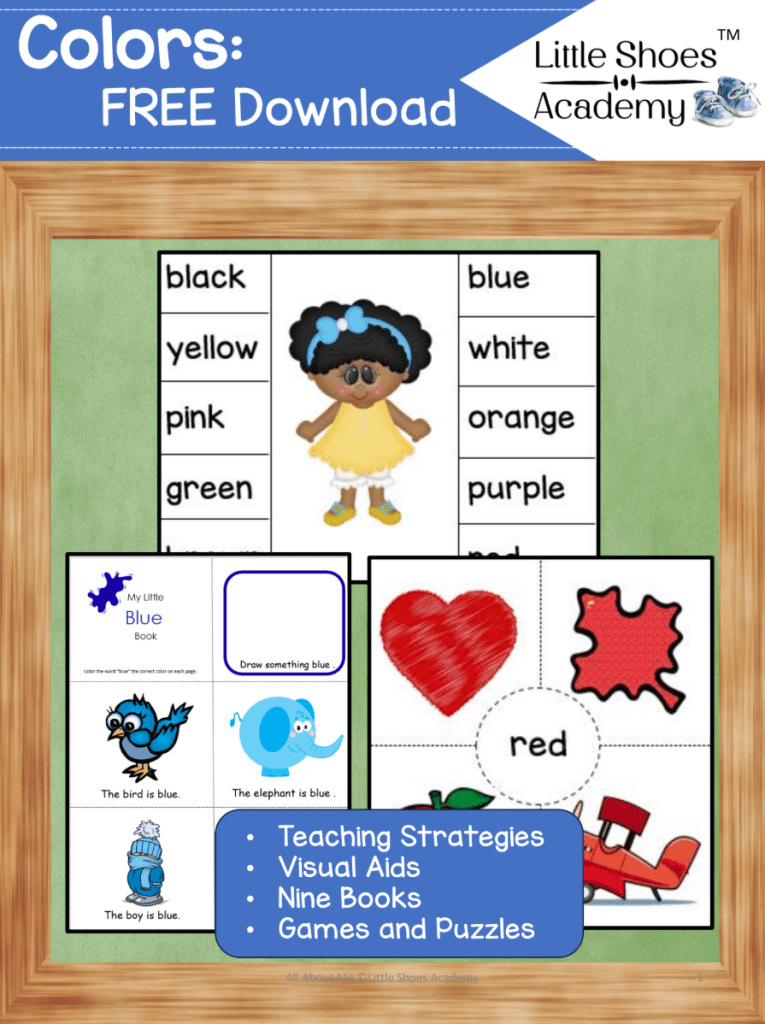
If you haven’t tried our curriculum before, a great place to start is with one of our free downloadable. You’ll get a feel for how we support you as a teacher and how easy it is to use our curriculum!
Need a little more help figuring out how to teach or just looking for a community of moms who understand? Join our Facebook Group today by clicking on the image below!